Introduction
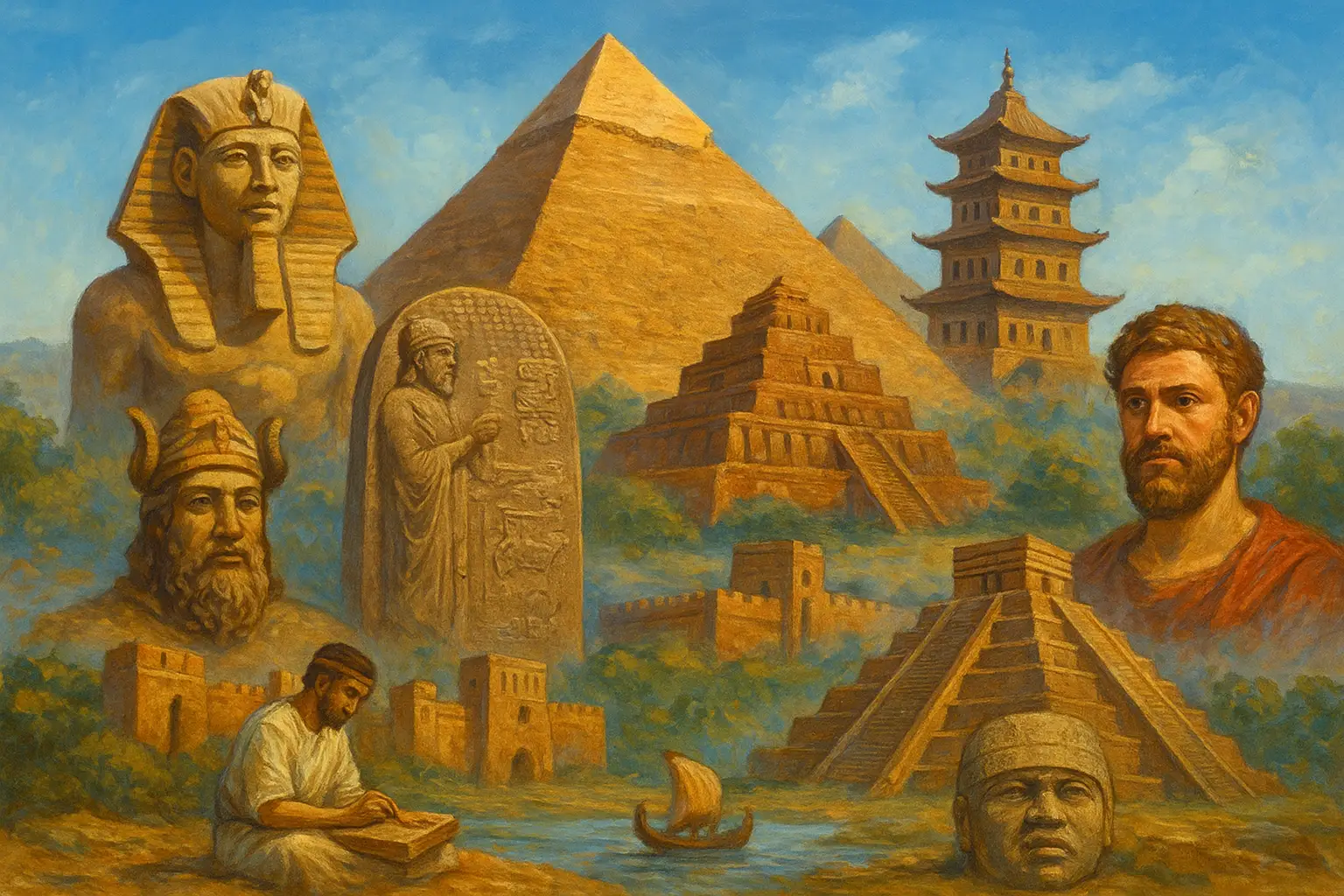
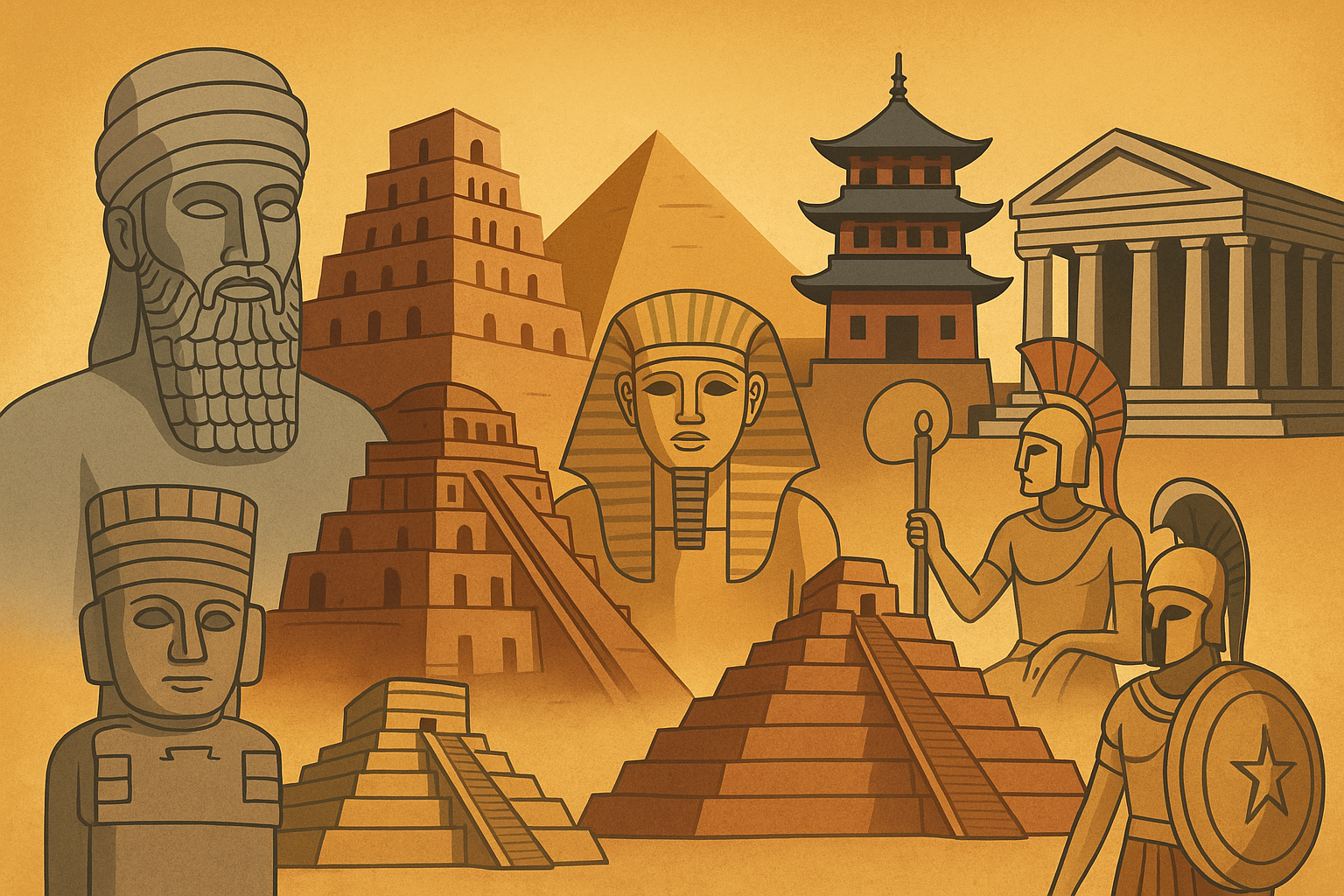
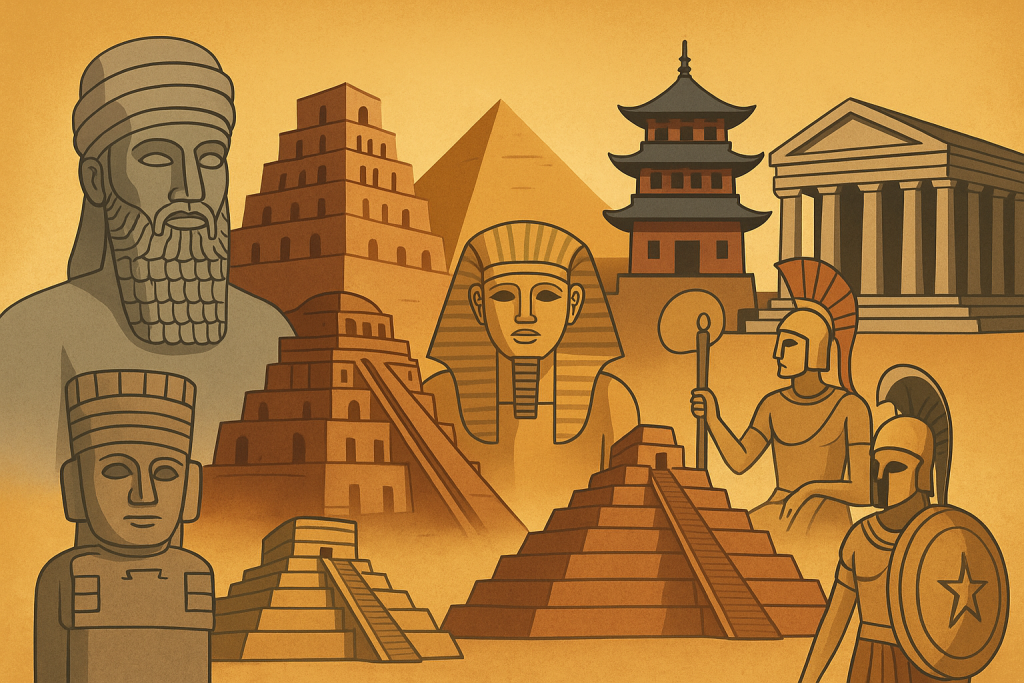
Ancient civilizations represent some of the most remarkable achievements in human history. Long before modern technology, nation-states, and global communication existed, early societies built great cities, invented writing, created advanced agricultural systems, established laws, developed mathematics, explored astronomy, and produced monumental architecture that continues to inspire the world today. These ancient civilizations—Mesopotamia, Egypt, the Indus Valley, China, Greece, Rome, and the cultures of the Americas—laid the foundation for human progress.
People worldwide continue to search for topics like “ancient civilizations,” “Mesopotamia history,” “Egyptian pyramids,” “Indus Valley Civilization,” “origins of human civilization,” and “ancient Chinese inventions,” proving how influential these early societies remain. This article explores the origins, structures, cultural achievements, and historical importance of ancient civilizations using authentic, academically supported information and a clear human style.
About Ancient Civilization
A civilization is more than just a group of people—it is a complex society characterized by cities, organized government, specialized labor, social structures, writing systems, and cultural identity. Civilizations emerged when humans transitioned from nomadic life to settled agriculture during the Neolithic Revolution (around 10,000–8,000 BCE). Farming created food surplus, giving rise to population growth and permanent settlements.
Most ancient civilizations emerged in fertile river valleys where rich soil, water, and stable climate allowed agriculture to thrive. These key river valley civilizations include:
- Mesopotamia – Tigris and Euphrates Rivers
- Egypt – Nile River
- Indus Valley – Indus River
- Ancient China – Yellow River (Huang He)
Other civilizations developed independently in the Americas, including the Maya, Olmec, Aztec, and Inca.
These civilizations formed the earliest political systems, economies, and cultural traditions that shaped global history.
The Growth and Development of Major Ancient Civilizations
1. Mesopotamia – The First Known Civilization
Located in modern Iraq and parts of Syria and Turkey, Mesopotamia is often called the “Cradle of Civilization.” The Sumerians, Akkadians, Babylonians, and Assyrians all contributed to its rich history.
Major Achievements
- First Writing System: Cuneiform (c. 3200 BCE) was used for trade, administration, literature, and law.
- Earliest Cities: Uruk, Ur, Babylon, and Nineveh.
- Legal Systems: Hammurabi’s Code (c. 1754 BCE) is the world’s first major written legal code.
- Mathematics & Astronomy: Base-60 math, early calendars, and star charts.
- Agriculture & Irrigation: Advanced canals, water regulation, and large-scale farming.
Mesopotamia introduced fundamental systems still used today, including written contracts, mathematics, and organized governance.
2. Ancient Egypt – The Civilization of the Nile
Ancient Egypt thrived for more than 3,000 years due to the Nile River’s predictable flooding and fertile soil. Egyptian civilization produced iconic monuments, advanced science, and a strong cultural identity.
Major Achievements
- Monumental Architecture: The Great Pyramid of Giza, Sphinx, and temples of Luxor and Karnak.
- Hieroglyphics: A sophisticated writing system used in religious and administrative texts.
- Medical Knowledge: Surgical tools, herbal treatments, dentistry, and anatomical studies.
- Mathematics & Engineering: Geometry for pyramid construction and advanced surveying methods.
- Religion & Afterlife: Belief in eternal life, mummification, and extensive burial rituals.
Egypt’s legacy in architecture, art, and spirituality continues to fascinate historians and visitors.
3. Indus Valley Civilization – The Advanced Urban Society
The Indus Valley Civilization, located in present-day Pakistan and northwest India, was incredibly advanced in city planning, sanitation, and craftsmanship.
Major Achievements
- Urban Planning: Cities like Mohenjo-Daro and Harappa had grid layouts, public baths, and multi-story houses.
- Drainage Systems: Underground sewage and drainage unmatched for centuries.
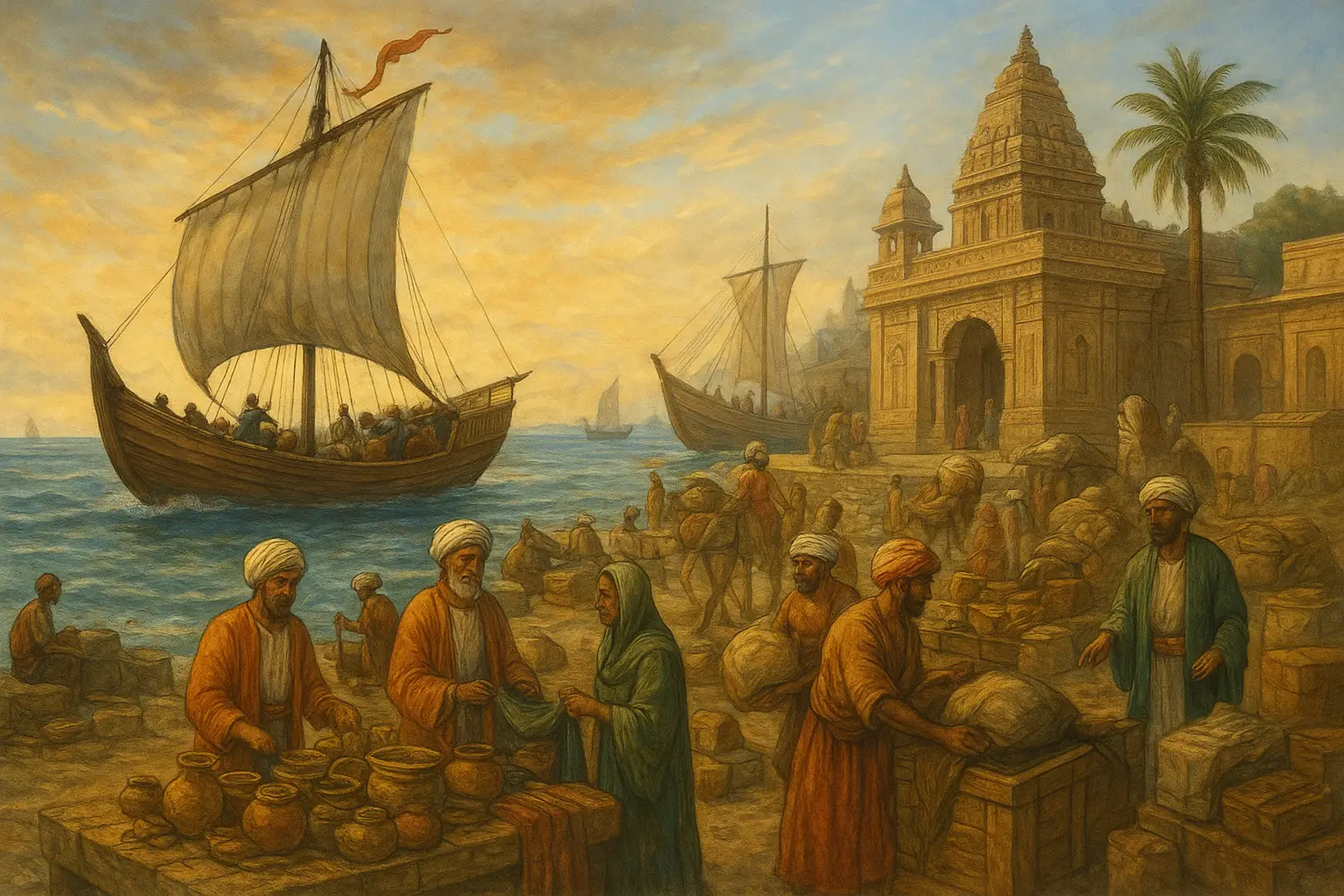
- Trade Networks: Connected with Mesopotamia and Central Asia via land and sea routes.
- Craftsmanship: Skilled in pottery, jewelry, metallurgy, and standardized weights.
The Indus script remains undeciphered, leaving many aspects of their society still unknown.
4. Ancient China – Dynasties That Shaped the World
Ancient China is one of the world’s oldest continuous civilizations, known for its remarkable inventions, philosophies, and political systems.
Major Achievements
- Inventions: Silk, papermaking, the compass, early gunpowder, bronze weapons, and advanced irrigation.
- Writing System: Oracle bone script evolved into modern Chinese writing.
- Philosophy: Confucianism and Daoism shaped ethics, governance, and social life.
- Engineering Projects: Early Great Wall constructions and massive canal systems.
Ancient China’s influence extends through Asia and continues to shape global culture and technology.
5. Mesoamerican Civilizations – Maya, Olmec, and Aztec
Civilizations in the Americas developed independently yet reached impressive levels of sophistication.
Olmec Civilization
- Considered the “mother culture” of Mesoamerica.
- Known for colossal stone heads and early religious rituals.
Maya Civilization
- Developed a complex writing system (Maya glyphs).
- Master astronomers who predicted solar eclipses.
- Created the Long Count calendar.
- Built monumental pyramids and advanced city-states.
Aztec Civilization
- Built Tenochtitlan, one of the world’s largest cities at the time.
- Developed chinampas (floating gardens).
- Constructed grand temples, palaces, and marketplaces.
These civilizations excelled in mathematics, architecture, and astronomical calculation.
6. Ancient Greece – The Birthplace of Western Civilization
Ancient Greece profoundly shaped global philosophy, science, politics, and art.
Major Achievements
- Democracy: Athens developed the earliest known democratic government.
- Philosophy: Socrates, Plato, and Aristotle created foundations for Western thought.
- Science & Mathematics: Pythagoras, Archimedes, Euclid, Hippocrates.
- Literature & Theatre: Epics like The Iliad and Odyssey, dramatic arts, and comedy.
- Architecture: Temples like the Parthenon set standards for classical design.
Greek civilization influenced Rome and later Western society.
Key Characteristics of Ancient Civilizations
1. Writing Systems
Writing allowed civilizations to record laws, trade, religion, history, and literature.
2. Governments and Social Hierarchies
All civilizations developed leadership structures, from kings and pharaohs to councils and priesthoods.
3. Religion and Mythology
Ancient religious traditions shaped identity, morality, and cultural arts.
4. Agriculture and Trade
Irrigation systems, crop domestication, and trade networks supported population growth.
5. Architecture and Engineering
Pyramids, temples, palaces, and road networks demonstrated advanced engineering skills.
The Decline of Ancient Civilizations
Civilizations declined due to factors such as:
- Natural disasters
- Climate change
- Invasions and warfare
- Economic decline
- Epidemics
- Political instability
Despite decline, their innovations shaped future cultures and nations.
Conclusion
Ancient civilizations established the foundation of human society through their advances in writing, science, engineering, governance, agriculture, and culture. Their achievements—from Mesopotamian cuneiform and Egyptian pyramids to the philosophies of Greece and the inventions of China—continue to influence modern life.
Studying ancient civilizations helps us understand the origins of technology, government, religion, and culture, revealing how humanity evolved over thousands of years. These early societies remind us that the roots of progress lie deep in the past, built by extraordinary civilizations that shaped the world we know today.