Introduction
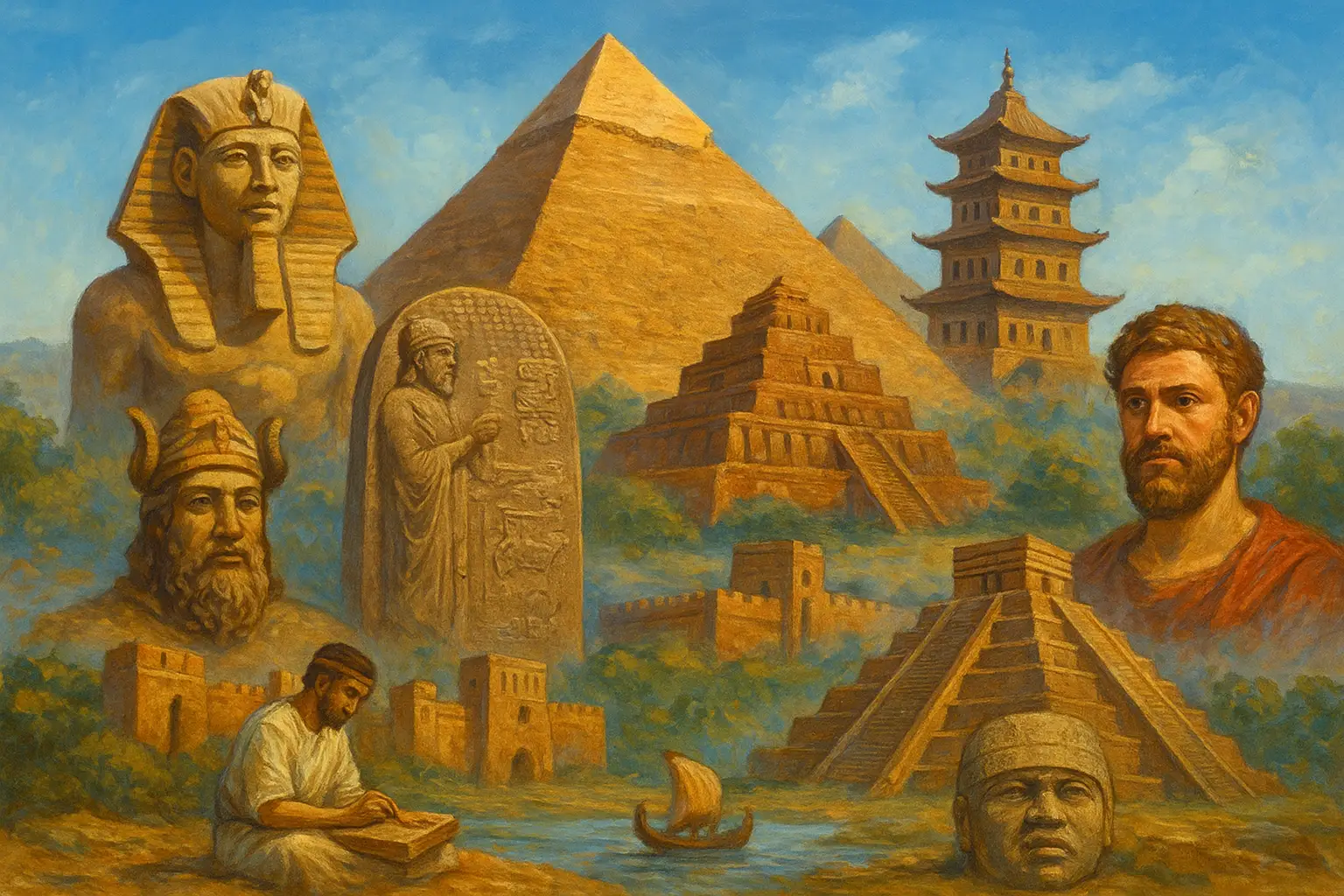
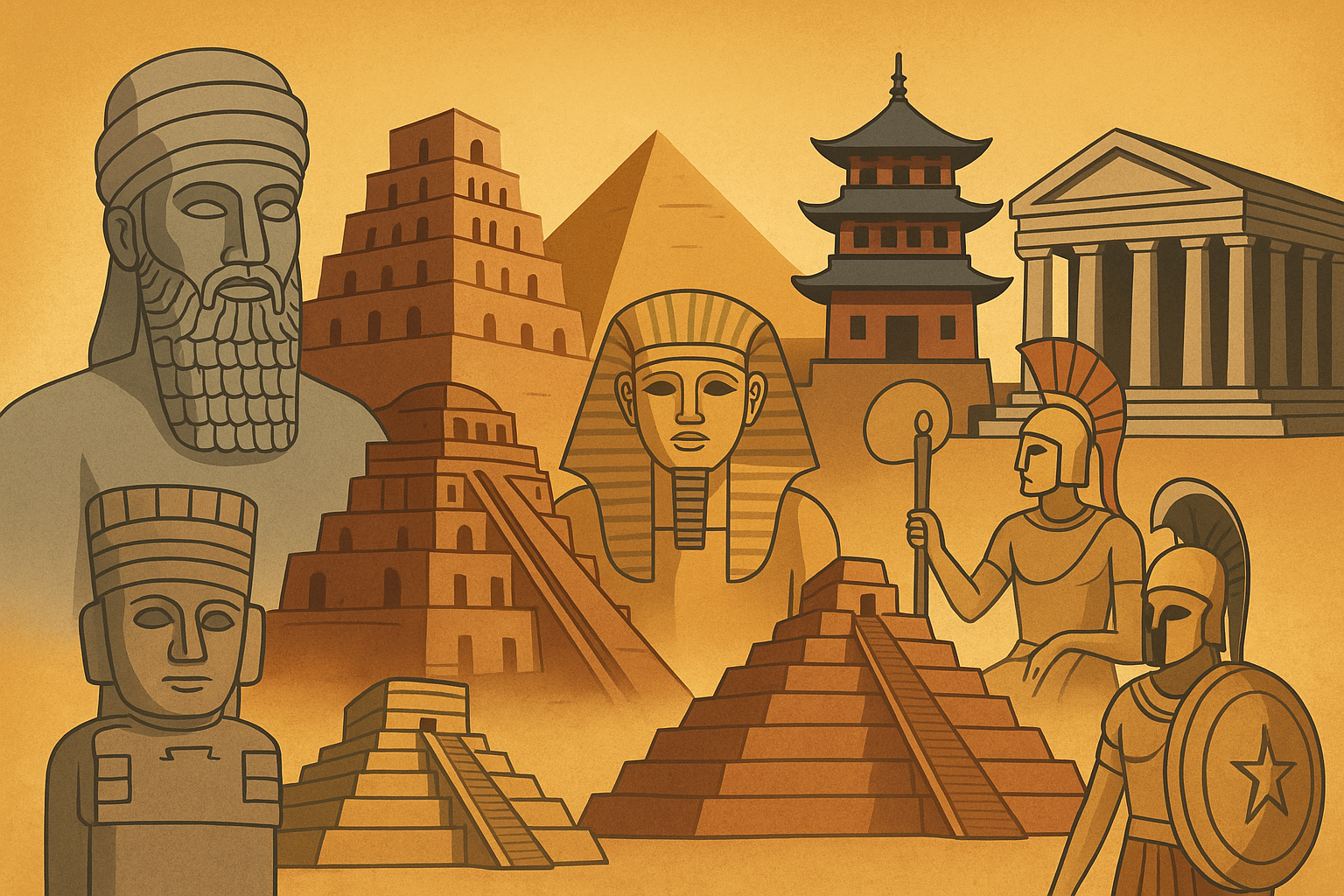
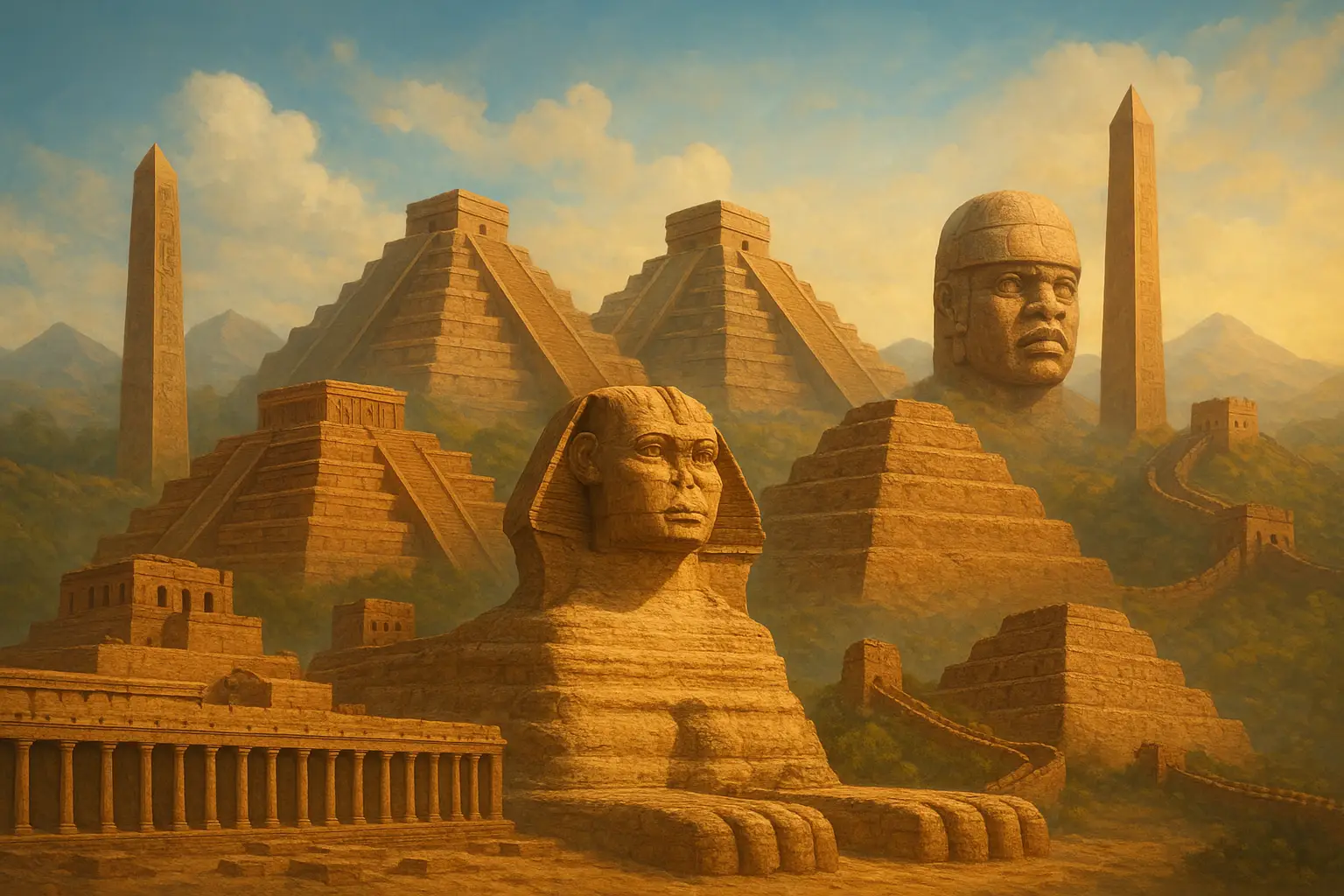
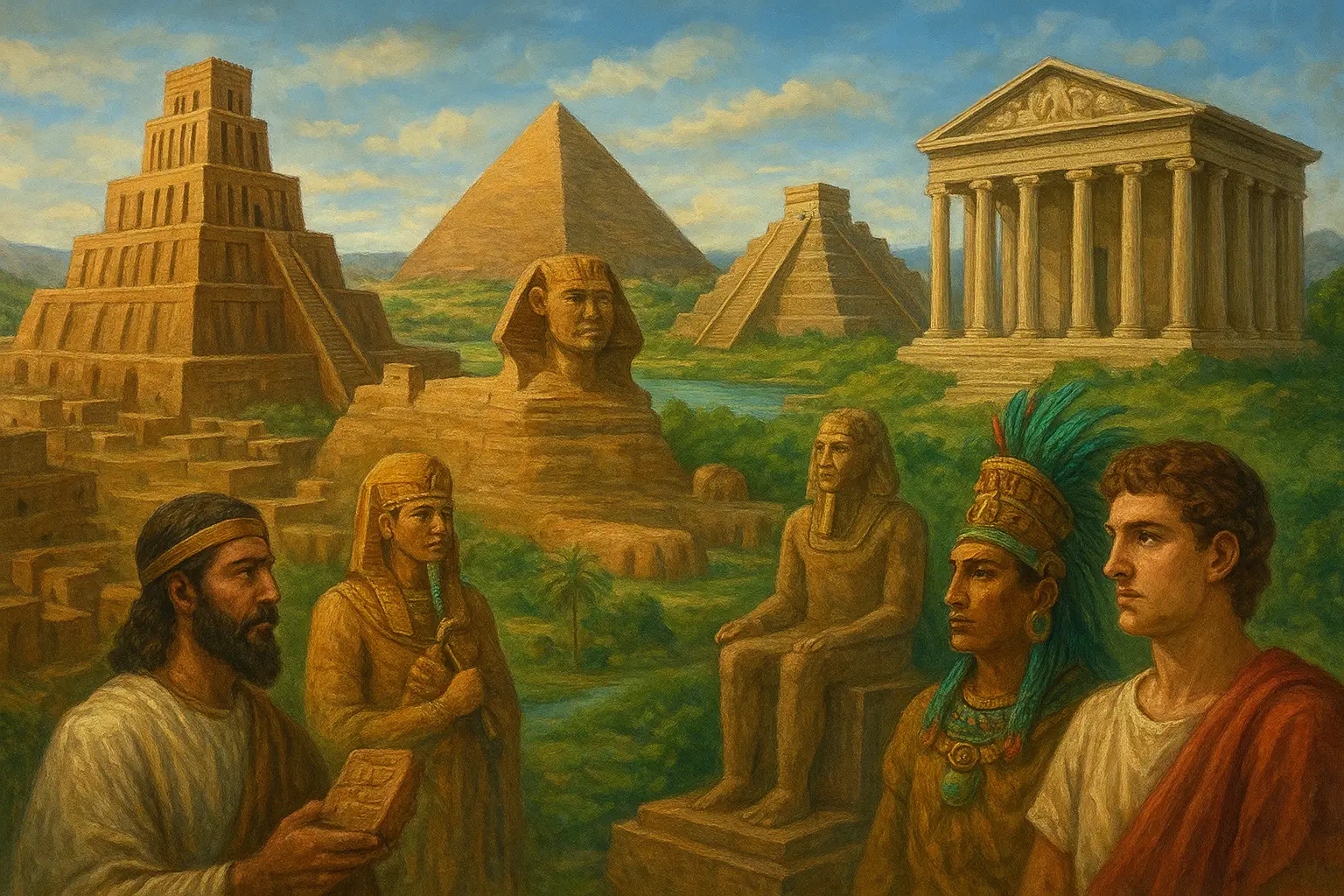
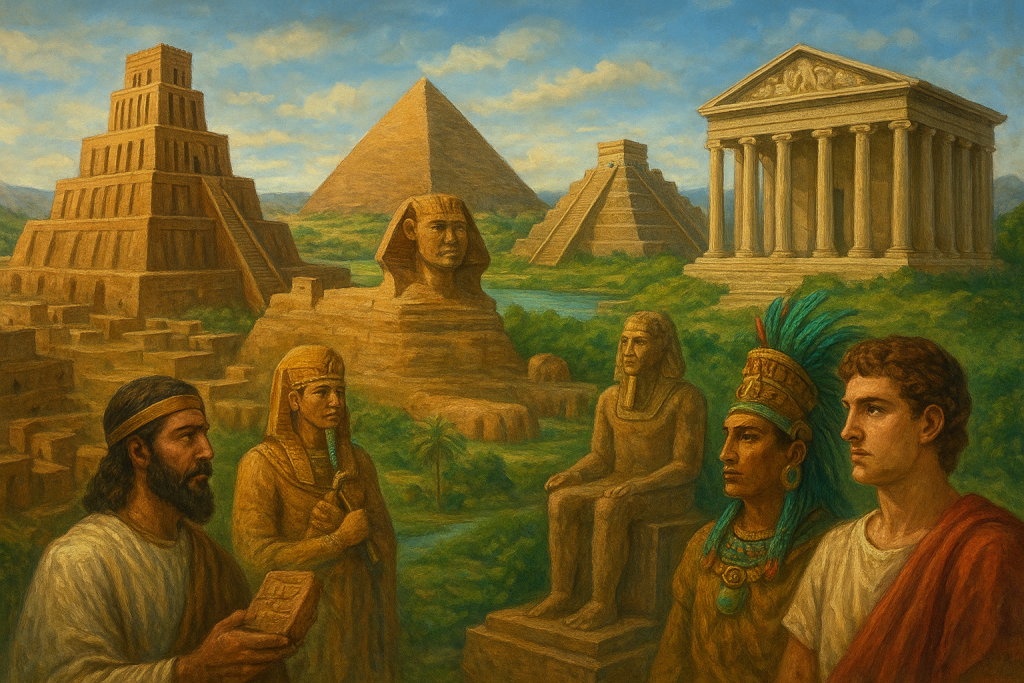
Ancient civilizations represent the earliest chapters of human development, shaping the political systems, social structures, technologies, and cultural traditions that influence modern life. Long before contemporary nations formed, early societies developed cities, writing systems, agriculture, trade, religion, and monumental architecture. These civilizations—stretching across Mesopotamia, Egypt, the Indus Valley, China, Mesoamerica, the Andes, Greece, and Rome—are among the most frequently searched historical topics because they laid the foundation for much of human progress.
This article explores the origins, core features, achievements, and long-lasting influence of ancient civilizations using real, academic, and well-established historical information.
About Ancient Civilization
The term ancient civilization refers to early, organized societies that existed thousands of years ago and exhibited key features such as:
- Urban development
- Centralized government and social hierarchy
- Writing systems and record-keeping
- Agriculture and irrigation
- Trade and economic systems
- Religion, art, and cultural practices
Most ancient civilizations emerged in fertile river valleys where agriculture could support large populations. These included:
- Mesopotamia (Tigris–Euphrates)
- Ancient Egypt (Nile River)
- Indus Valley Civilization (Indus River)
- Ancient China (Yellow River)
- Mesoamerica (Olmec, Maya, Aztec)
- The Andes (Caral, later Inca)
- Classical civilizations (Greece and Rome)
Each civilization developed independently but shared similar patterns—evidence that humans everywhere solved survival challenges through innovation and cooperation.
Geography and the Rise of Cities
1. The Importance of River Valleys
Rivers were essential to the rise of ancient civilizations because they offered:
- Fresh water for farming and daily needs
- Fertile soil due to annual flooding
- Transportation for trade
- Natural boundaries and defense
The predictable flooding of the Nile, for example, allowed Egyptians to produce consistent agricultural surpluses, while the Tigris and Euphrates supported the earliest known cities in Mesopotamia.
2. Agricultural Surplus and Specialization
Farming innovations such as plows, irrigation canals, and crop storage allowed societies to produce more food than they needed. This surplus enabled people to specialize in roles beyond farming—craftsmen, builders, priests, soldiers, merchants, and government administrators.
3. Trade Networks
As cities grew, trade spread across large regions:
- Mesopotamia traded with the Indus Valley
- Egyptians traded with Nubia and the Levant
- China traded along early Silk Road routes
- Mediterranean civilizations exchanged goods via sea trade
Trade spread ideas, technology, languages, and cultural practices, accelerating development.
Mesopotamia: The Cradle of Civilization
Mesopotamia—located in modern Iraq—is often recognized as the first civilization in world history. Major achievements include:
1. The First Writing System
Mesopotamians developed cuneiform, the earliest known writing, to record trade, laws, and literature. The Epic of Gilgamesh is one of the world’s oldest works of literature.
2. Early Cities
Cities like Uruk, Ur, and Babylon introduced:
- City planning
- Ziggurats (temple towers)
- Organized governments
- Complex social classes
3. Law and Governance
Hammurabi, king of Babylon, created Hammurabi’s Code, one of the oldest legal codes, setting rules for justice, trade, and social conduct.
4. Mathematics and Astronomy
Mesopotamia pioneered:
- Base-60 math (origin of 60 minutes and 360 degrees)
- Early astronomy
- Irrigation engineering
These achievements influenced neighboring societies and future civilizations.
Ancient Egypt: Kingdom of the Nile
Ancient Egypt thrived along the Nile River for more than 3,000 years and became one of history’s most recognizable civilizations.
1. Monumental Architecture
Egyptians built:
- The Pyramids of Giza
- The Great Sphinx
- Massive temples at Luxor and Karnak
- Obelisks, statues, and tombs
These structures showcased advanced engineering and religious devotion.
2. Writing and Knowledge
Egypt developed hieroglyphics, a writing system used for religious texts, monuments, and administration. Egyptians also made advances in:
- Medicine
- Mathematics
- Architecture
- Astronomy
3. Government and Religion
Society centered around the pharaoh, believed to be a divine ruler. Egyptian religion emphasized the afterlife, leading to mummification and elaborate burial customs.
Indus Valley Civilization: Masters of Urban Planning
The Indus Valley Civilization (Harappa and Mohenjo-Daro) was one of the most advanced urban cultures of its time.
1. Urban Planning
The Indus cities featured:
- Grid-based street layouts
- Sophisticated drainage systems
- Multi-story homes
- Public baths
- Standardized building materials
Their urban engineering was more advanced than most ancient societies.
2. Trade and Economy
The Indus civilization traded with Mesopotamia and produced goods like beads, pottery, and textiles.
3. Writing
They developed a script that remains undeciphered, leaving parts of their culture mysterious.
Ancient China: Dynasties and Innovations
Ancient China developed along the Yellow River (Huang He) under early dynasties including the Xia, Shang, and Zhou.
1. Early Writing
The Shang Dynasty created the earliest Chinese writing on oracle bones, forming the basis for modern Chinese characters.
2. Inventions
Ancient China’s innovations include:
- Bronze weapons and tools
- Silk weaving
- Early forms of the Great Wall
- The beginnings of Chinese philosophy
- Later inventions such as paper, gunpowder, and the compass
3. Philosophy and Society
Confucianism and Daoism emerged during ancient times and profoundly shaped East Asian culture, ethics, and government.
Mesoamerican Civilizations: Astronomy and Architecture
Civilizations such as the Olmec, Maya, Aztec, and Teotihuacan advanced in many fields.
1. Pyramid Architecture
Mesoamerican societies built large pyramids, including:
- Teotihuacan pyramids
- Maya temple pyramids at Tikal and Chichén Itzá
2. Writing and Calendars
The Maya developed:
- A sophisticated writing system
- An advanced calendar
- Accurate astronomical observations
3. Agriculture
They cultivated maize, beans, cacao, and other staple crops that became vital to world agriculture.
Greece and Rome: The Roots of Western Civilization
Ancient Greece
Greece made major contributions including:
- Democracy in Athens
- Philosophy (Socrates, Plato, Aristotle)
- Olympic Games
- Drama and literature
- Advancements in math and science
Greek architecture, especially temples like the Parthenon, remains iconic.
Ancient Rome
Rome expanded Greek ideas and contributed:
- Roman law, influencing modern legal systems
- The Roman Republic and Senate
- Roads, aqueducts, and engineering
- Concrete architecture
- Latin language, basis for many modern languages
Rome’s empire connected Europe, North Africa, and the Middle East through trade, culture, and governance.
Technological and Cultural Achievements
Writing Systems
Civilizations invented distinct writing forms—cuneiform, hieroglyphics, Chinese characters, and Mesoamerican scripts—allowing communication, record-keeping, and literature.
Mathematics and Science
Egyptians developed geometry, Mesopotamians advanced algebra, Chinese scholars created engineering tools, and Greeks formed scientific theories.
Architecture
Pyramids, temples, palaces, amphitheaters, and city walls show remarkable engineering skills that still inspire modern architecture.
Religion and Mythology
Ancient religions shaped cultural identity through:
- Myths
- Rituals
- Temples
- Priesthoods
Art and Literature
Pottery, sculpture, murals, epic poems, and philosophical writings enriched cultural life.
Decline of Ancient Civilizations
Civilizations declined due to:
- Natural disasters
- Climate change
- Invasion and warfare
- Economic problems
- Disease
- Internal conflict
However, their ideas, languages, technologies, and cultural practices continued to shape future societies.
Conclusion
Ancient civilizations represent the earliest stages of human progress, giving rise to writing systems, engineering, mathematics, governance, and art. Their achievements—from the pyramids of Egypt and ziggurats of Mesopotamia to the philosophies of Greece and engineering of Rome—still influence the modern world.
Studying ancient civilizations helps us understand where we come from and how human creativity, resilience, and innovation shaped the global society we live in today. Their legacy continues through architecture, language, law, culture, technology, and the enduring human desire to build, explore, and create.