Introduction
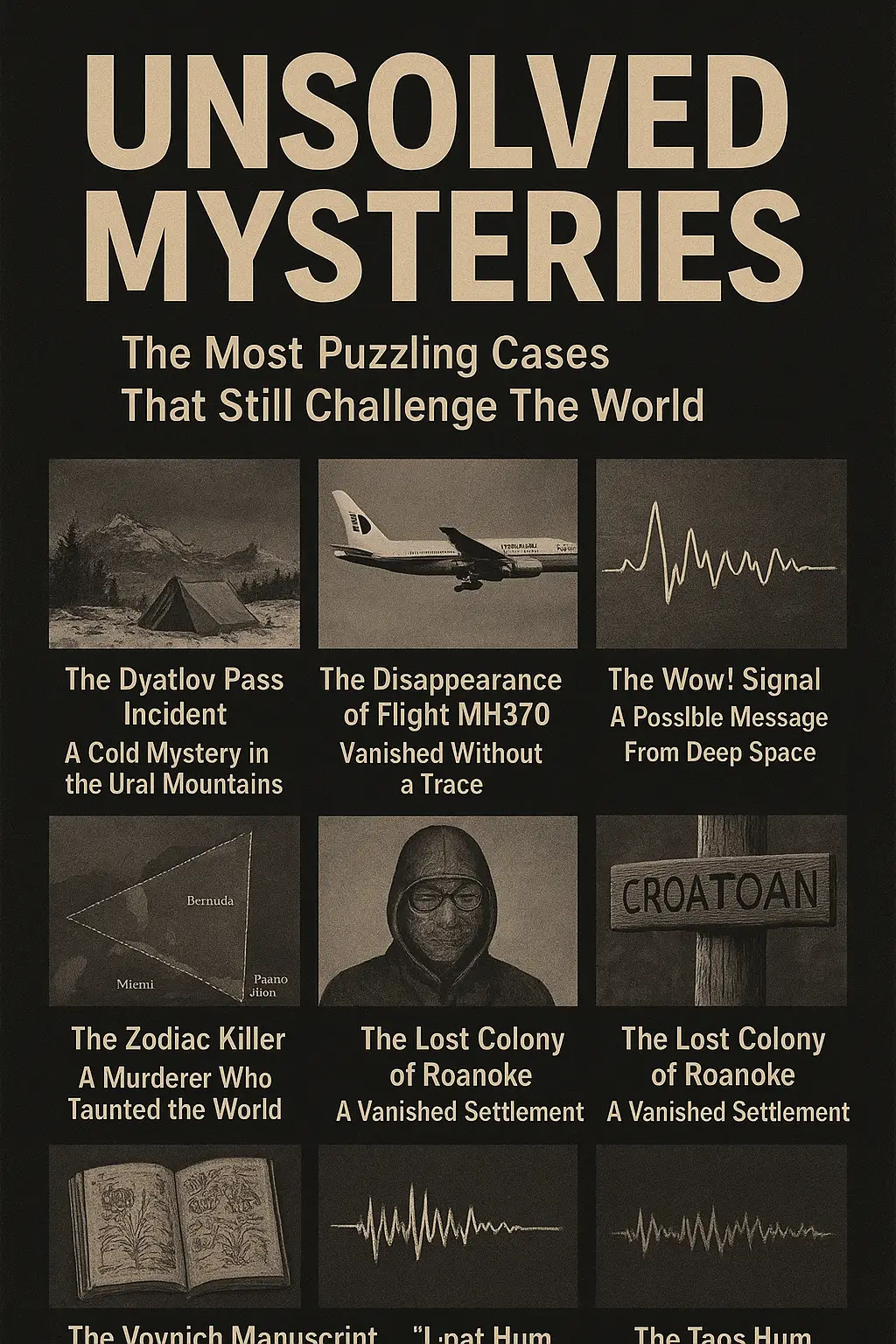
In the winter of 1959, nine young Soviet hikers embarked on a ski-trek through the remote Ural Mountains of Russia. None of them returned alive. When rescuers found their campsite weeks later, the scene was so bizarre and terrifying that it became one of the world’s most enduring unsolved mysteries. Known today as the Dyatlov Pass Incident, the tragedy remains a haunting puzzle involving strange injuries, inexplicable behavior, and decades of speculation — from secret military tests to alien encounters. Despite numerous investigations, no theory has ever fully explained what happened on that freezing February night.
The Expedition Begins
The group consisted of experienced mountaineers from the Ural Polytechnic Institute in Sverdlovsk (modern-day Yekaterinburg). Led by Igor Dyatlov, a talented 23-year-old engineering student, the team aimed to reach Mount Otorten, a remote peak in the northern Urals. The group — seven men and two women — included athletes and seasoned hikers. They left on January 25, 1959, confident in their abilities and prepared for the extreme cold.
Their route would take them through desolate, snow-covered terrain where temperatures dropped below -30°C (-22°F). The area was inhabited only by the Mansi, an Indigenous people of northern Russia who regarded the mountains as sacred and dangerous. Ironically, the name “Kholat Syakhl,” near where they camped, translates roughly to “Dead Mountain.”
The Mysterious Final Camp
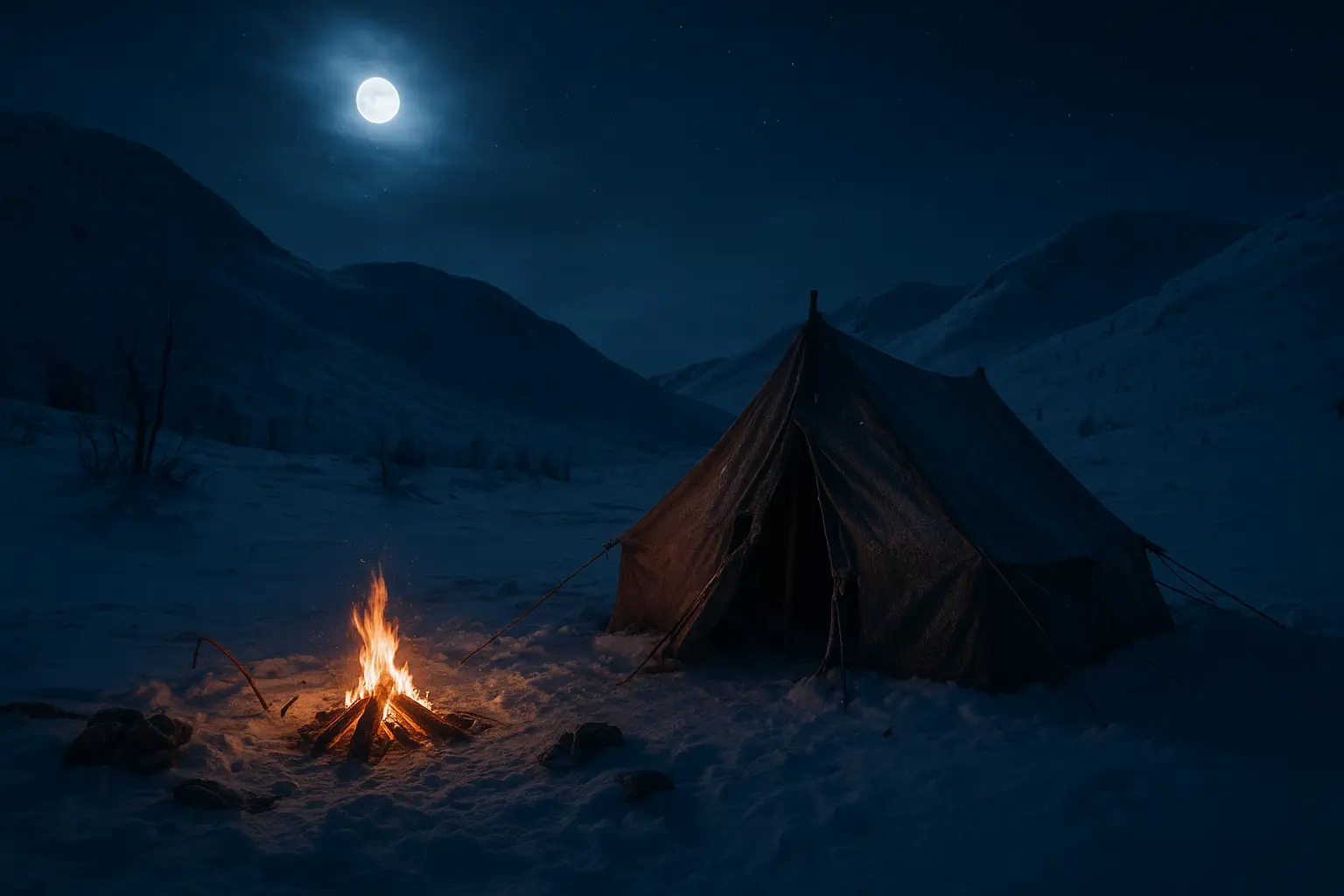
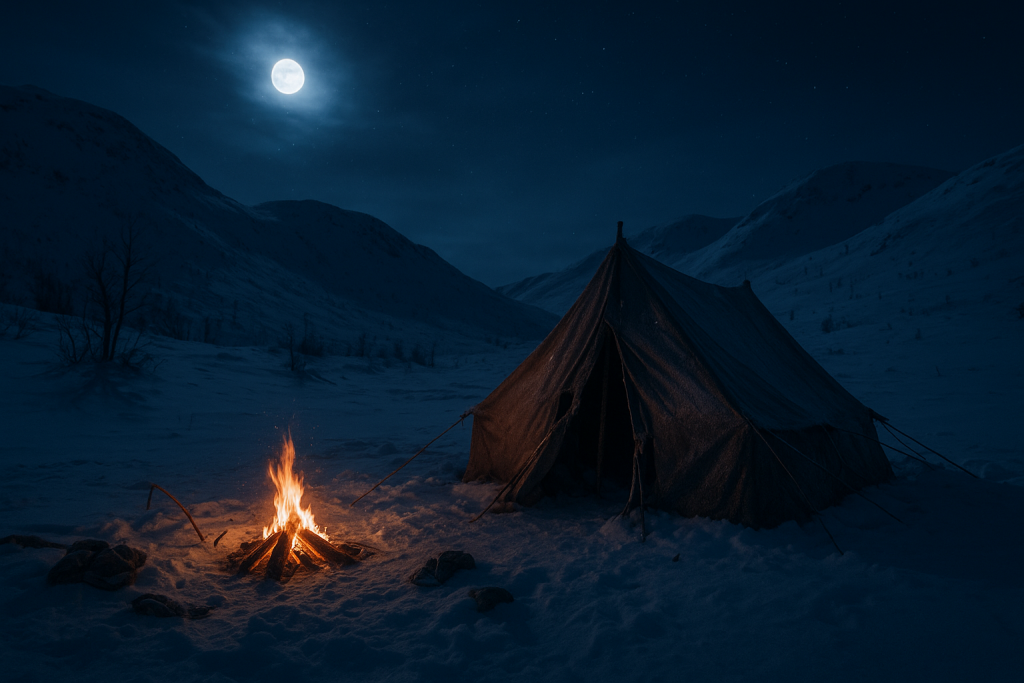
On February 1, Dyatlov’s group set up their final camp on the slope of Kholat Syakhl. It was a puzzling decision: the spot was exposed, windy, and offered no natural shelter. Experts later speculated they may have lost daylight and decided to stop where they were instead of descending into the forest below.
That night, something catastrophic happened. The group fled their tent in the middle of the night — barefoot or wearing only socks, despite the brutal cold. Their tent was found slashed open from the inside, suggesting they had cut their way out in panic.
Rescuers discovered the campsite weeks later after families raised the alarm. What they found stunned everyone.
The Grim Discovery
The first two bodies — Yuri Krivonischenko and Yuri Doroshenko — were found near a forest, half-naked and without shoes, lying beside a small campfire. Their hands were burned, suggesting they had tried desperately to keep warm.
Three more hikers — Dyatlov, Zina Kolmogorova, and Rustem Slobodin — were found between the forest and the tent, as if they had tried to crawl back uphill. Autopsies revealed that all five had died of hypothermia, but Slobodin had a fractured skull, indicating blunt force trauma.
Two months later, rescuers discovered the remaining four bodies buried under snow in a nearby ravine. Their injuries were far more severe and inexplicable:
- Lyudmila Dubinina had her tongue, eyes, and part of her face missing.
- Nikolai Thibeaux-Brignolle had a massive skull fracture.
- Alexander Kolevatov and Semyon Zolotaryov had broken ribs and internal injuries similar to those from a high-speed car crash, yet with no external wounds.
These disturbing details deepened the mystery — what force could cause such trauma without visible impact marks?
Official Investigations and Theories
The Soviet authorities conducted an investigation but soon closed the case, stating only that the hikers died from “a compelling natural force.” This vague explanation left the public and the victims’ families frustrated and suspicious. Over time, many theories emerged — some rational, others wildly speculative.
1. Avalanche Theory
One of the earliest and most accepted explanations is that the hikers panicked after hearing or feeling an avalanche. They might have cut open their tent to escape quickly, fled downhill, and succumbed to the cold. However, rescuers found no signs of an avalanche — the tent remained standing, and snow levels were too shallow. Recent re-examinations, including a 2020 Russian government report inspired by modern avalanche simulations, suggested a “small delayed slab avalanche” might explain some aspects, but critics argue it still doesn’t account for the bizarre injuries.
2. Katabatic Winds
Another scientific theory points to katabatic winds — powerful, downward-flowing air currents capable of producing terrifying roaring sounds and extreme pressure changes. These could have caused panic, disorientation, or even mild brain trauma, leading the group to flee irrationally. Yet, no meteorological records prove such winds occurred that night.
3. Military Testing
During the height of the Cold War, the Soviet military frequently conducted weapons tests in remote areas. Some researchers believe the hikers accidentally entered a testing zone and were victims of secret missile or parachute mine explosions. This could explain the internal injuries — from shockwaves — and the strange orange tint on their skin, possibly from chemical exposure or radiation. Indeed, investigators noted mild radiation traces on some clothing, but not enough to prove a nuclear event. The government’s secrecy only fueled the theory.
4. Infrasound Panic
A 2019 theory suggested infrasound, a low-frequency sound wave produced by wind interacting with the mountain’s shape, could induce intense fear and disorientation in humans. This phenomenon, known as the “Kármán vortex street”, might have driven the group into a frenzy, causing them to flee in terror — though no direct evidence supports this.
5. Paranormal or Extraterrestrial Explanations
Perhaps the most sensational ideas involve UFOs, Yeti attacks, or paranormal forces. Witnesses in nearby villages reported seeing “glowing orange orbs” in the sky on the night of the tragedy, coinciding with the group’s final camp. However, these were likely Soviet military flares or missile tests. No footprints besides the hikers’ were found, ruling out animal attacks. Still, the lack of definitive answers keeps these supernatural theories alive in popular culture.
Recent Developments
In 2019, after renewed public pressure, Russian authorities reopened the case, promising transparency. Their 2020 conclusion reaffirmed the avalanche theory, stating that a small snow slide forced the group to flee, and freezing temperatures led to their deaths. But independent researchers, such as Yuri Kuntsevich of the Dyatlov Foundation, remain unconvinced, citing inconsistencies in the terrain, timing, and injuries.
A 2021 study by Swiss scientists — using computer models originally developed for the movie Frozen — demonstrated that a slab avalanche could indeed produce blunt-force trauma resembling that seen in the hikers’ bodies. Yet, even those scientists admitted that “some mystery will likely always remain.”
Cultural Legacy
The Dyatlov Pass Incident transcended its Cold War origins to become a symbol of human fragility against nature and the unknown. Books, documentaries, and films have re-imagined the tragedy countless times. The site has even become a pilgrimage spot for adventurers and conspiracy theorists alike. In 2021, the Russian government officially renamed the pass “Dyatlov Pass” in honor of Igor Dyatlov and his companions.
The case also highlights the broader challenge of interpreting evidence under extreme conditions. The combination of natural danger, political secrecy, and human fear created the perfect storm for mystery. It reminds us how easily history can blur the line between fact and folklore.
Conclusion
More than six decades later, the Dyatlov Pass Incident continues to baffle experts and captivate imaginations worldwide. Whether caused by an avalanche, infrasound panic, or a classified military experiment, one truth remains clear: something extraordinary happened on that icy mountain in 1959.
The hikers’ courage and tragedy have immortalized them as symbols of human curiosity — and the limits of our understanding. Perhaps the mystery endures not because it lacks answers, but because it challenges us to confront the unknown itself.